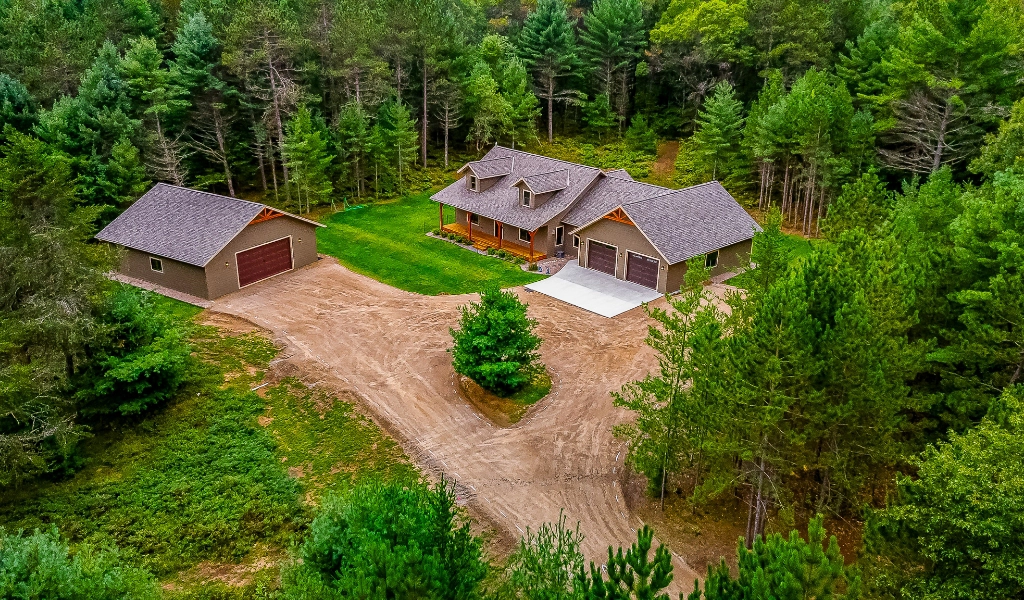
One of the most common questions we hear early in the process is:
“What do you charge per square foot?”
It’s a reasonable question. Square footage feels like a simple way to estimate the cost of building a home.
But when it comes to custom homes—especially lake homes in Northern Wisconsin—price per square foot rarely tells the full story.
In fact, relying too heavily on that number can create confusion and unrealistic expectations. Two homes with the same square footage can have dramatically different costs depending on how they are designed, where they are built, and the selections chosen along the way.
Instead of focusing on square foot pricing alone, we help homeowners understand the factors that actually influence the cost of building a custom home.
Why Square Foot Pricing Can Be Misleading
The biggest challenge with square foot pricing is that it assumes homes are simple, consistent products.
Custom homes aren’t.
Two homes might both be 3,000 square feet, but the cost to build them can vary widely depending on design complexity, site conditions, and finish selections.
Square footage simply doesn’t capture these differences.
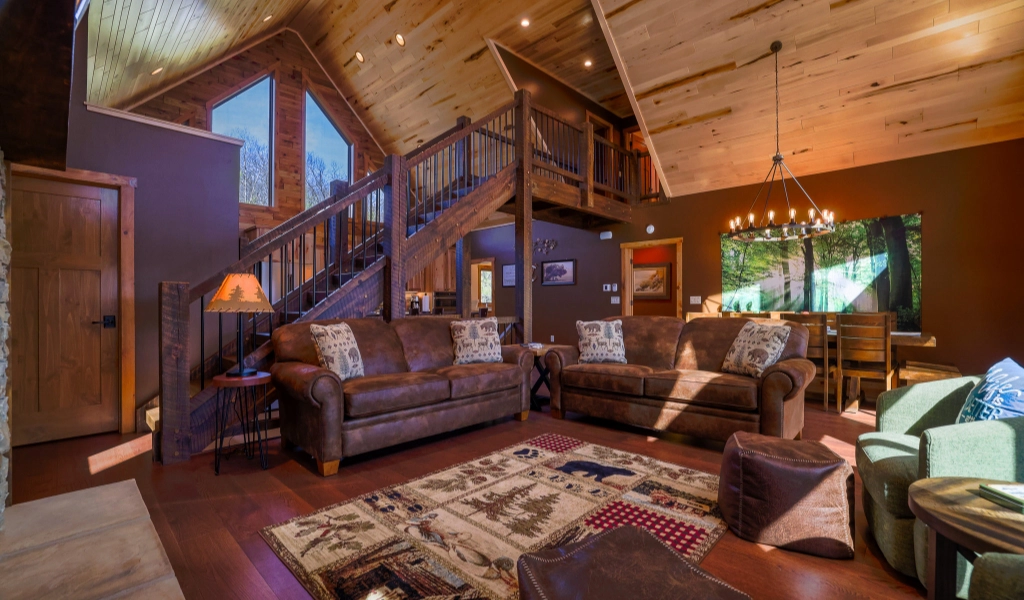
Design Complexity Matters
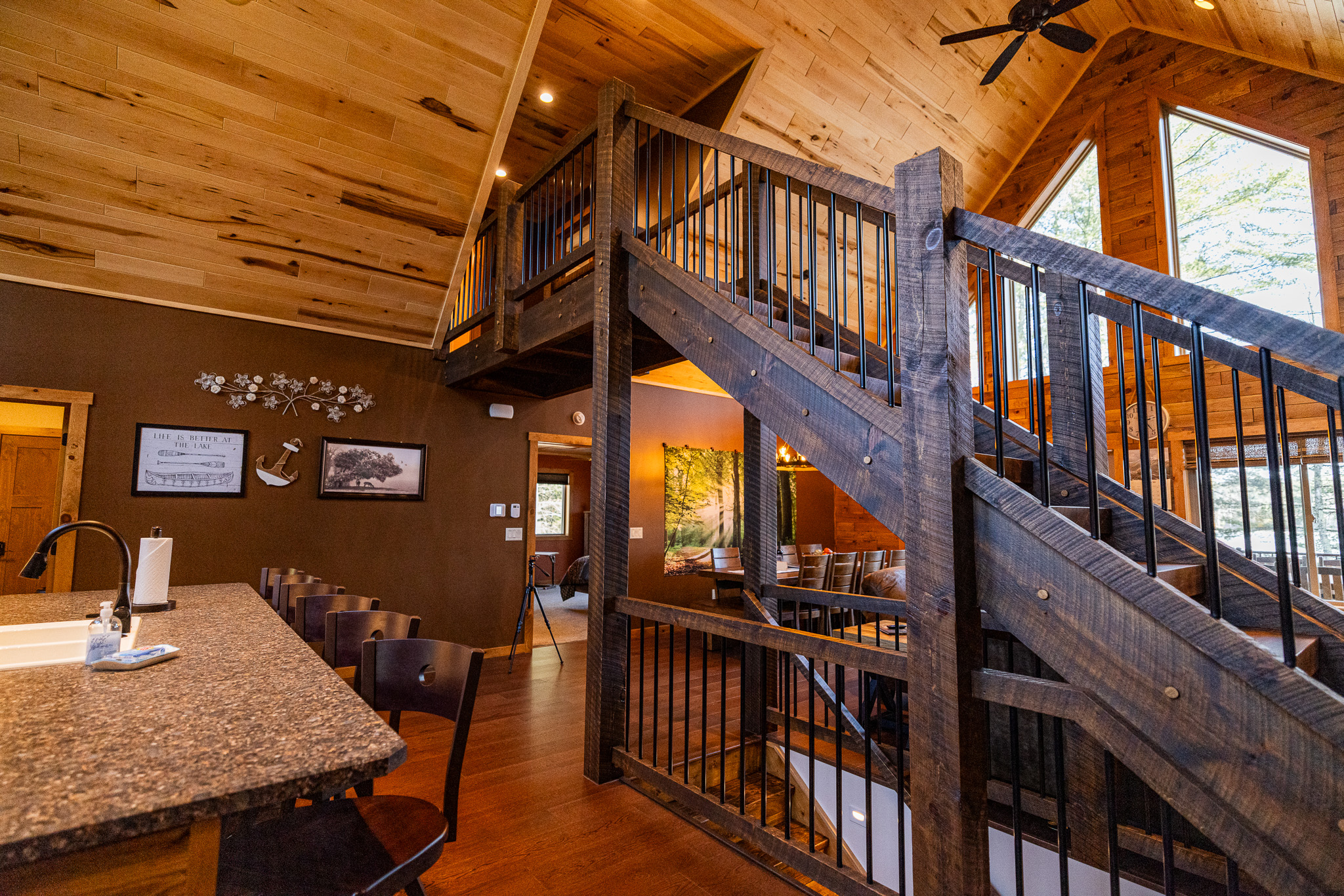
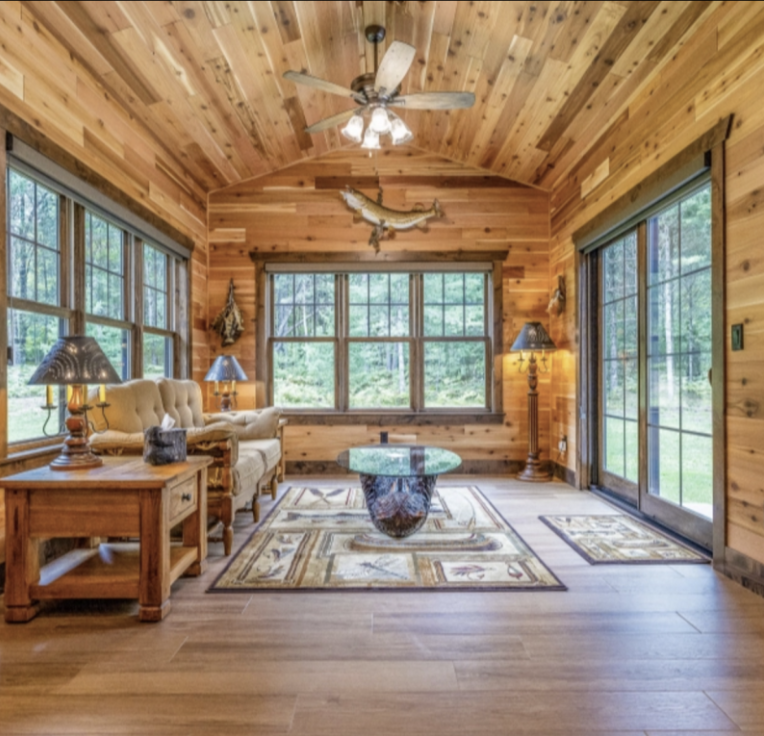
A home with a simple footprint and roof structure is very different from a home with multiple rooflines, large window walls, vaulted ceilings, and custom architectural details.
These features often add structural requirements, additional labor, and specialized craftsmanship.
From a square footage standpoint, the homes might appear similar. But from a construction standpoint, they can be entirely different projects.
Site Conditions Play a Major Role
Lake properties often bring unique site considerations.
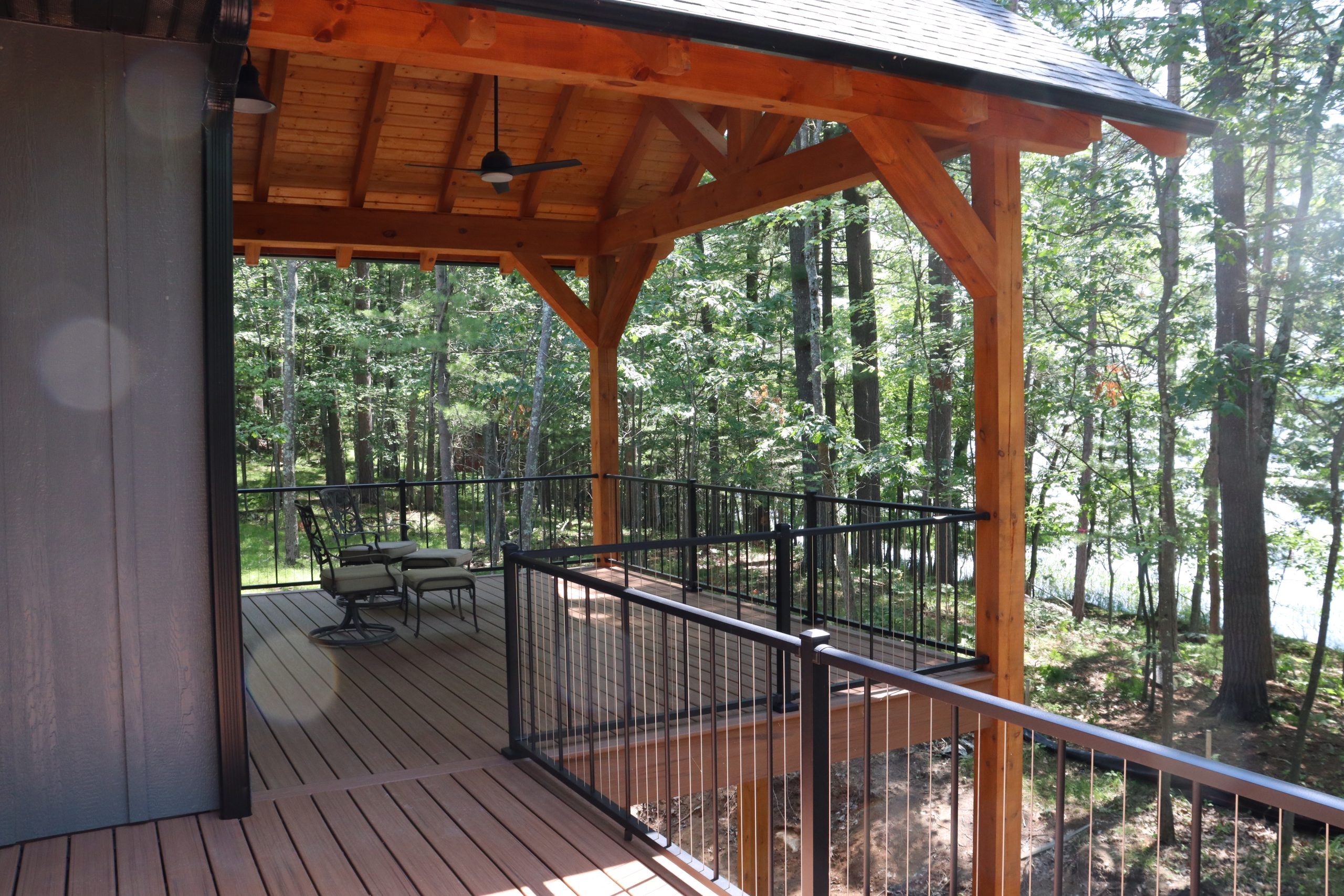
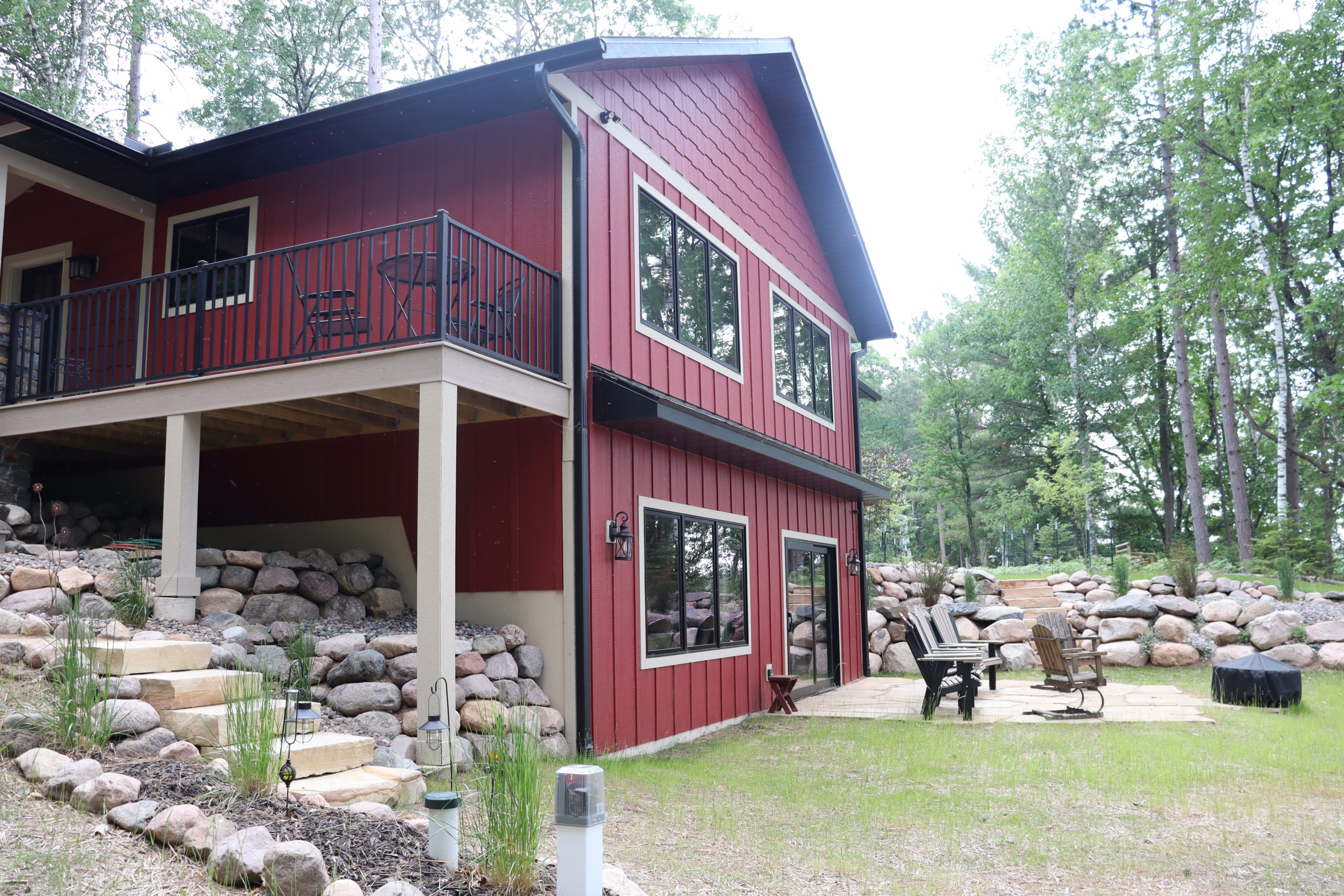
Things like steep slopes, soil conditions, longer driveways, shoreline setbacks, or additional excavation can significantly affect the cost of building.
These factors have nothing to do with square footage, yet they can have a meaningful impact on the overall investment.
Selections Can Vary Widely
Interior and exterior selections are another major factor.
Cabinetry, flooring, lighting, countertops, appliances, plumbing fixtures, and trim details all exist within a wide range of price points.
For example, two kitchens with the same layout could vary dramatically in cost depending on the cabinetry style, appliances, and countertop materials selected.
Square foot pricing can’t account for those choices.
Performance and Efficiency Investments
Many homeowners building in Northern Wisconsin also choose to invest in features that improve comfort and long-term durability.
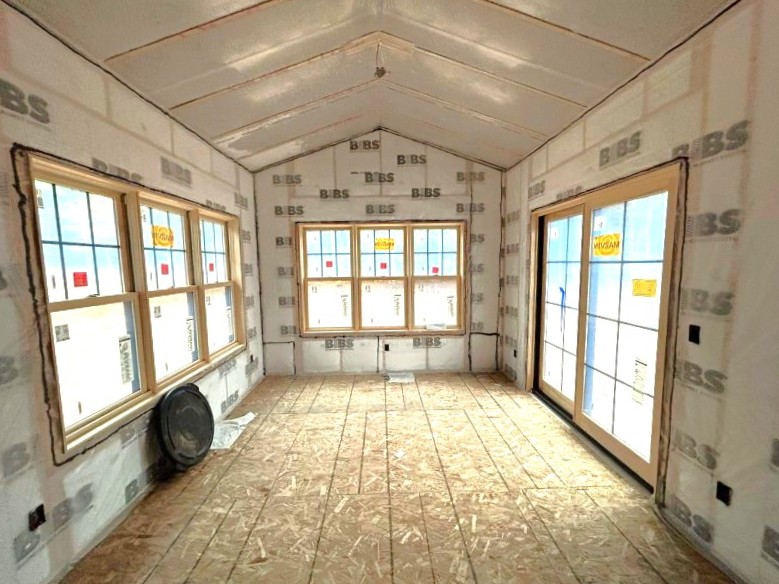
Upgraded insulation systems, high-quality windows, and well-designed HVAC systems can significantly improve energy efficiency and year-round comfort.
These investments often make a meaningful difference in how the home performs over time, but they also influence the upfront cost of construction.
Why Builders Still Reference Square Foot Pricing
Even though it isn’t a precise measurement, square foot pricing can sometimes serve as a very early planning reference point.
When homeowners are just beginning to explore a project, a broad range can help frame early conversations about what is realistic for a given size of home.
However, it’s important to understand that this number is only a starting point. Once design, site conditions, and selections come into the picture, the actual cost of a home becomes much more specific.
What We Use Instead: A Budget-Focused Planning Process
Rather than relying on a single number, we focus on helping homeowners understand the real drivers of cost early in the process.
This typically includes discussing the overall investment range a homeowner is comfortable with, understanding the characteristics of the property, and talking through the level of finishes and features they envision.
As the design develops, we work to align design decisions with that investment range whenever possible. Sometimes homeowners decide to increase the size of the home or select higher-end finishes that increase the overall investment. When that happens, our role is to clearly communicate how those decisions influence the project cost so homeowners can make informed choices along the way.
This approach creates far more clarity than relying on a simple square-foot estimate.
Lake Homes Often Highlight the Difference
Lake homes are a good example of why square foot pricing can be misleading.
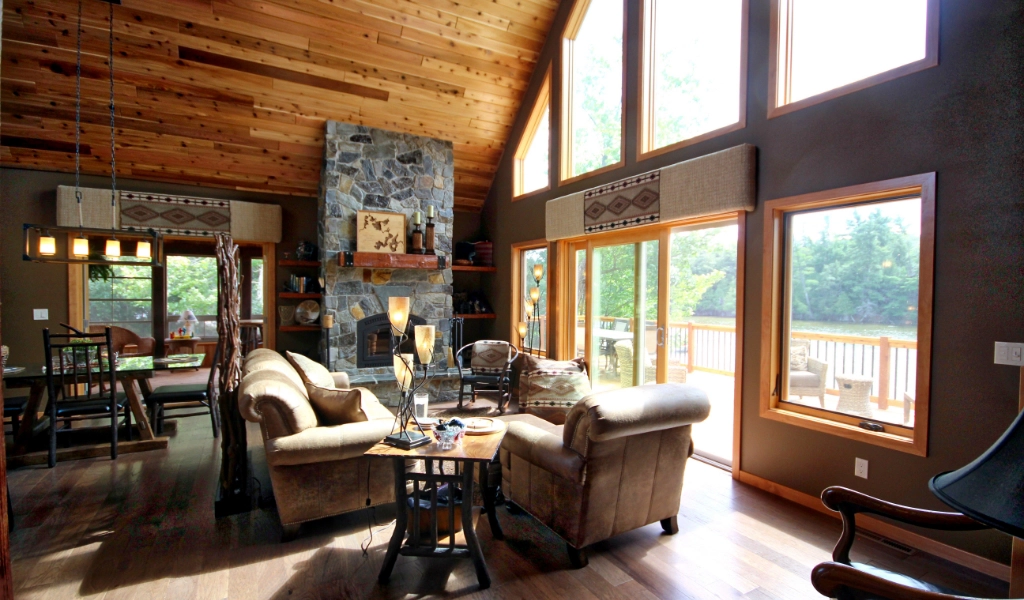
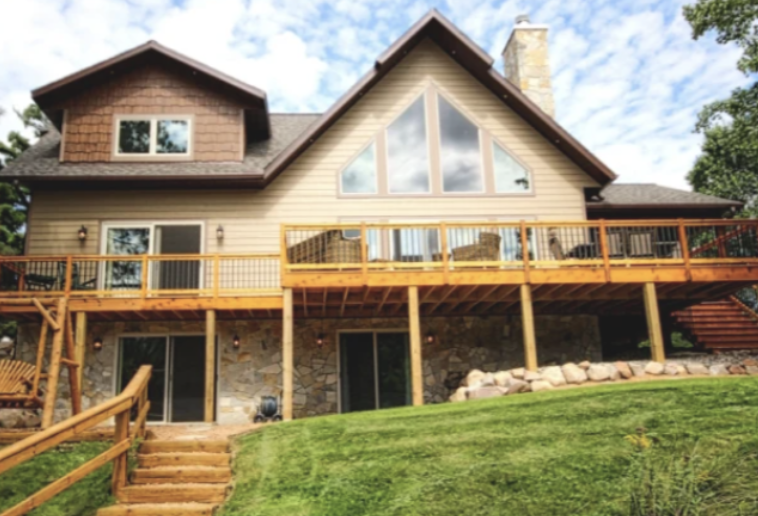
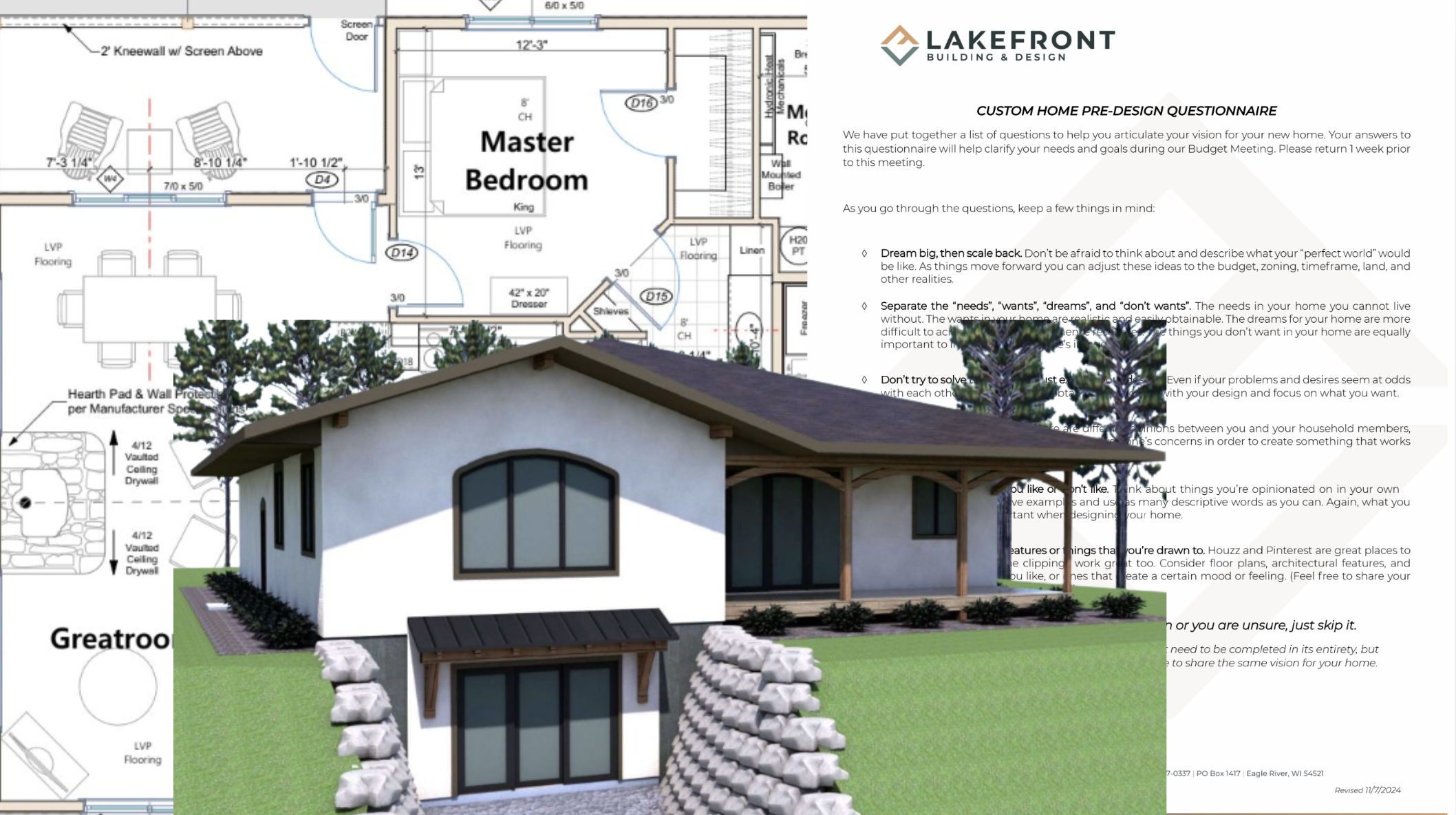
Many homeowners prioritize features like large window walls facing the water, vaulted great rooms, outdoor living spaces, and more complex rooflines. These elements create beautiful spaces and help the home take full advantage of the property.
But they also require additional structure, materials, and craftsmanship that square-foot pricing alone cannot capture.
Two lake homes may have similar square footage but very different investments depending on how they are designed to connect with the property.
The Goal: Clarity, Not Guesswork
Building a custom home involves hundreds of decisions. Our goal isn’t to simplify that process down to a single number.
Instead, we focus on helping homeowners understand the factors that truly influence cost so decisions can be made thoughtfully and with clear expectations.
When homeowners understand how design, site conditions, and selections work together, they can move forward with confidence in both the home they are building and the investment required to build it.