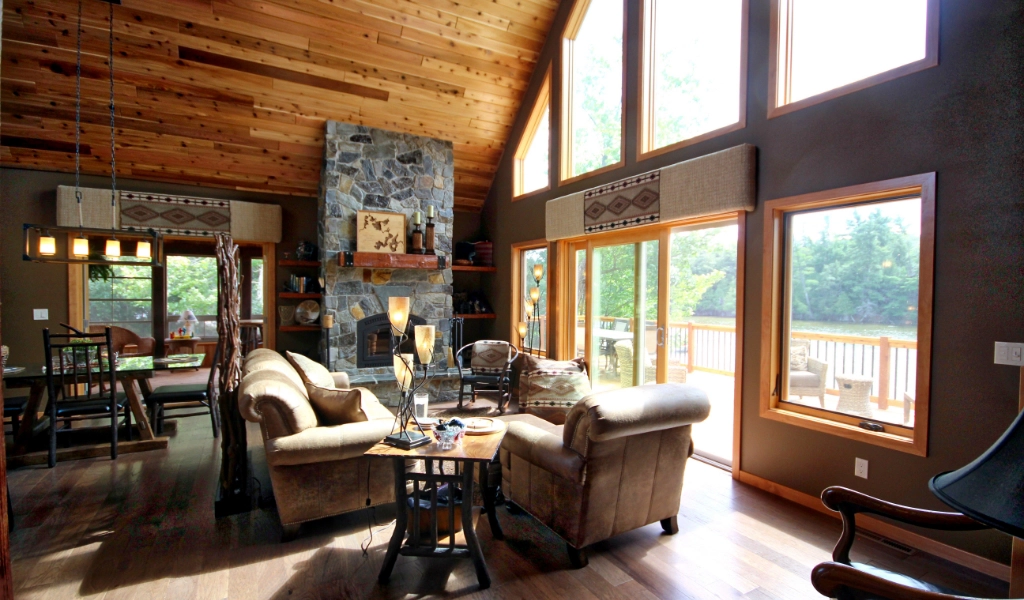
You’re deep in the selections process. You’ve been scrolling Instagram, saving Pinterest boards, and pulling screenshots from every design account you follow. And now you’re staring at tile samples, cabinet finishes, and fixture options wondering the same thing almost every one of our clients asks us:
“Will this still look good in 5–10 years?”
It’s a fair question—and an important one. Because when you’re building a custom home in Northern Wisconsin, you’re not just picking what looks good today. You’re making decisions you’ll live with for a long time. Some of those decisions are easy to change down the road. Others? Not so much.
Let’s walk through how to think about this so you can feel confident—not second-guess yourself—when it’s time to commit.
What We Mean by “Timeless”
Timeless design isn’t about playing it safe or being boring. It’s about choosing elements that have proven staying power—things that looked great 20 years ago, look great now, and will still hold up 20 years from now.
Think of these as the bones of your home:
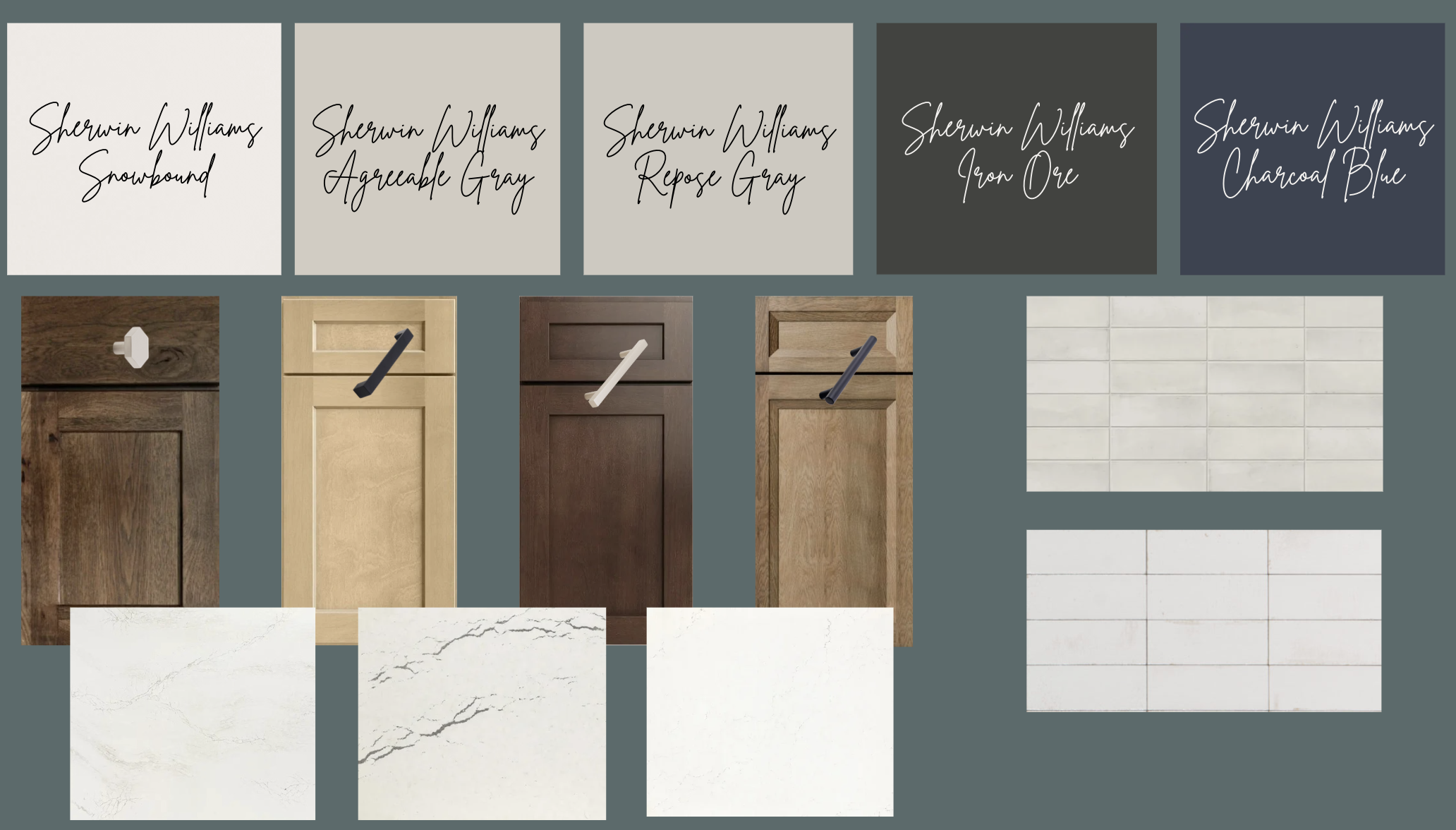
- Neutral color palettes—whites, warm beiges, soft grays—that give you flexibility to change the feel of a room without ripping anything out
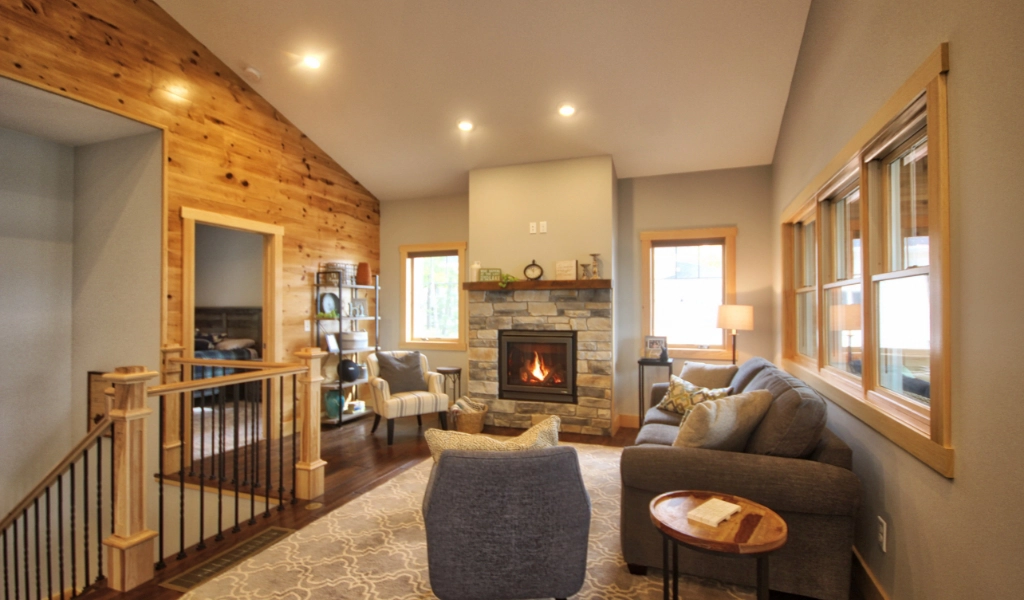
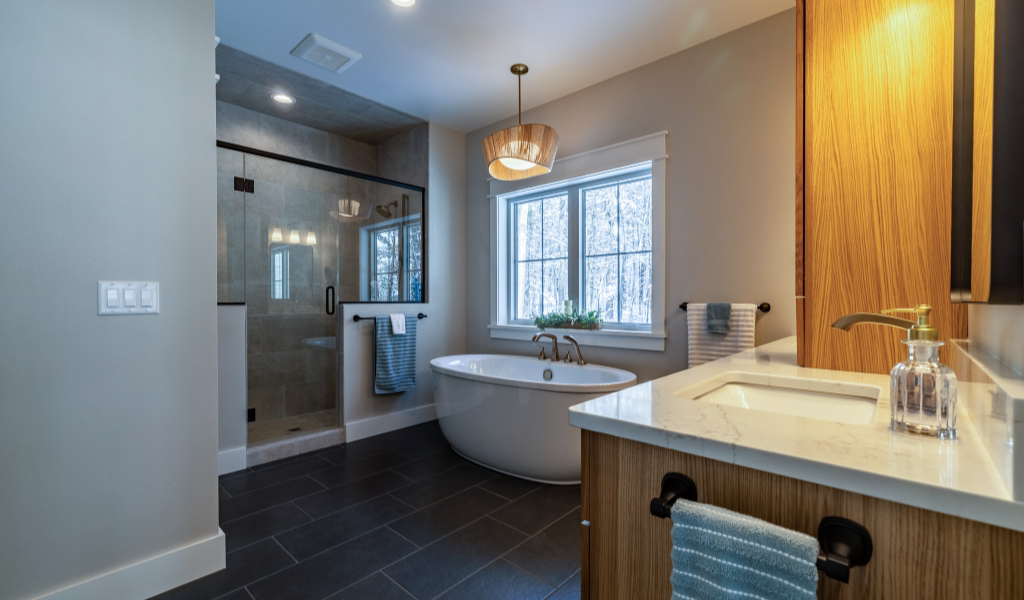
- Natural materials like wood, stone, and marble that age well and never really go “out of style”
- Classic cabinet profiles like shaker-style doors
- Simple tile layouts—subway tile, clean lines, understated patterns
- Hardware finishes like matte black or brushed nickel that pair with almost anything
These aren’t exciting on their own—and that’s the point. They’re the foundation that lets everything else in your home shine without competing for attention.
What We Mean by “Trending”
Trending design is what’s popular right now. It’s the stuff that fills your feed, shows up in model homes, and gets featured in magazines. And here’s the thing—trends aren’t bad. A lot of trends look incredible. The question isn’t whether they’re beautiful. It’s whether they’ll still feel right to you in a few years.
Some examples of styles that have been trending recently:
- Heavily veined quartz and dramatic stone patterns
- Bold statement tile—geometric shapes, bright colors, intricate patterns
- Specific “era” aesthetics like modern farmhouse or industrial
- All-gray or all-white color schemes taken to the extreme
None of these are wrong choices. But we’ve seen firsthand what happens when a client goes all-in on a trend for a permanent fixture—and three years later, they’re wishing they’d gone a different direction. That’s not a fun place to be, especially when the fix involves demo work and a significant budget.
Why This Distinction Matters More Than You Think
Here’s where we’re going to be straight with you, because this is the part most design blogs gloss over.
Not all selections are created equal when it comes to how permanent they are—and how expensive they are to change. Some decisions you’re essentially locked into for the life of the home unless you’re willing to spend thousands to redo them:
- Flooring — Replacing the flooring in even one main living space—whether it’s hardwood, vinyl plank, or carpet—can run $8,000–$12,000
- Cabinetry — A full cabinet replacement in a kitchen alone often runs $25,000–$30,000+
- Tile installations — Ripping out a tiled shower or backsplash means demo, disposal, new materials, and labor
- Exterior materials — Siding, stone, roofing—these are major commitments
Now compare that to the things that are easy and affordable to swap out:
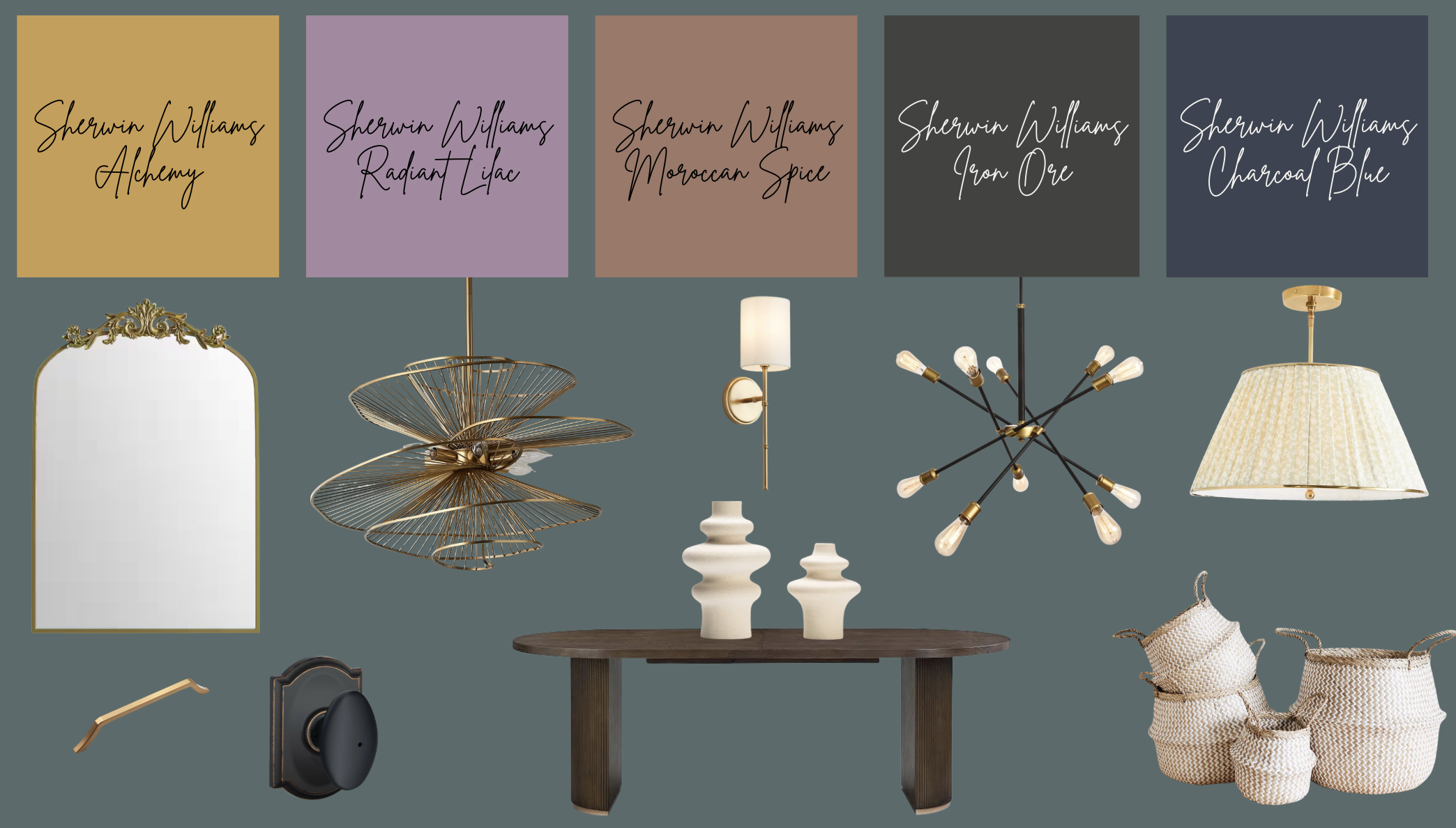
- Light fixtures — A few hundred dollars and an afternoon
- Paint colors — A weekend project or a modest professional job
- Cabinet hardware — Often under $200–$500 for an entire kitchen
- Decor, accessories, and textiles — The easiest way to keep your home feeling fresh
This is why we tell our clients: the best place to follow trends is in the stuff you can change without a contractor. A trendy light fixture or a bold accent wall gives you that current, personalized feel—and when the trend passes, you’re out a couple hundred bucks instead of tens of thousands. That’s smart design, not compromise.
How to Find the Right Balance
We’re not here to talk you out of the things you love. If you’ve been drawn to a particular style for years and it genuinely reflects how you live, that’s worth honoring. But if something caught your eye three weeks ago on a Reels video—that’s worth a pause.
Here’s how we guide our clients through this:
1. Keep the permanent stuff classic—and have fun with the rest
For cabinets, flooring, countertops, and exterior finishes, lean toward selections that are versatile and have a track record. These are your biggest investments, and they’re the hardest to change. You want them to work with a wide range of styles so your home can evolve over time without a major renovation. Then bring your personality in through the easy-to-change stuff—light fixtures, hardware, paint, art, textiles. That’s where trends belong, and when your taste shifts in a few years, you update those pieces instead of your entire kitchen.
2. Ask yourself the honest questions
Before committing to a bold selection for something permanent, we ask our clients to sit with a couple of questions:
- Have I loved this style for years, or did I just discover it recently?
- Am I choosing this because I genuinely love it—or because I keep seeing it everywhere?
- If this trend disappeared from social media tomorrow, would I still want it in my home?
There are no wrong answers. But the exercise usually tells you a lot about whether something is a lasting preference or a passing attraction.
3. Design for your life, not your feed
Your home should reflect how you actually live—your family, your routines, your climate, your land. Here in the Northwoods, that means something different than it does in a downtown Chicago condo or a Florida beach house. The homes that feel the best aren’t the ones that look like a magazine spread. They’re the ones where the people who live there genuinely feel at home.
What We’ve Seen Work (and Not Work)
We’ve been doing this long enough to see trends come and go. We’ve watched the Tuscan craze, the gray-everything era, and the modern farmhouse wave. All of them produced beautiful homes—and all of them left some homeowners feeling stuck when the style moved on.
The clients who end up happiest are the ones who found a middle ground: a timeless base that doesn’t lock them in, paired with personal, intentional touches that make the home feel current and uniquely theirs. When the trends shift, they swap out a few fixtures and accessories—not their entire design.


The Bottom Line
Trends will always come and go—that’s the nature of design. A well-built home doesn’t chase them. It uses them intentionally.
You don’t have to choose between a home that’s timeless and a home that feels current. You just need to know where each one belongs. Keep the big investments classic, have fun with the details, and when in doubt—ask yourself whether you’re designing for the next five years of your life or the next five months of your Instagram feed.
If you’re in the middle of selections and feeling overwhelmed by the options, that’s completely normal—and it’s exactly what our design team is here for. We walk through every one of these decisions with our clients so you can feel confident, not confused, on build day.