When it’s time for your preconstruction selections meeting, drywall texture is one of those decisions that’s easy to overlook — until you’re standing in your finished home and noticing it everywhere.
The good news: there are great options at every price point and style preference. Here’s a breakdown of what we offer and what to consider when making your choice.
Texture
Texture affects the look and feel of every wall and ceiling in your home. It’s one of the first things guests notice, even when they can’t name it.
Smooth
A smooth finish is exactly what it sounds like — clean, flat walls with no texture at all. It’s the most refined look available and a natural fit for modern and contemporary homes. Smooth walls let your paint colors take center stage and give every room a crisp, polished feel.
It’s the highest-cost texture option due to the labor involved, and worth keeping in mind that smooth surfaces can show imperfections more readily than textured ones — so lighting placement matters a bit more. But for clients who want that sleek, elevated look throughout their home, it’s hard to beat.
Orange Peel
Orange peel is the most common texture we see in custom homes today. The name says it all — a subtle, dimpled surface that adds just enough visual interest without competing with your finishes.
We can apply it light (barely noticeable) or heavier depending on the look you’re after. It hides minor imperfections well, holds up over time, and comes in at a lower price point than Level 5 smooth. It’s a practical, versatile choice that works with almost any interior style.
Skip Trowel
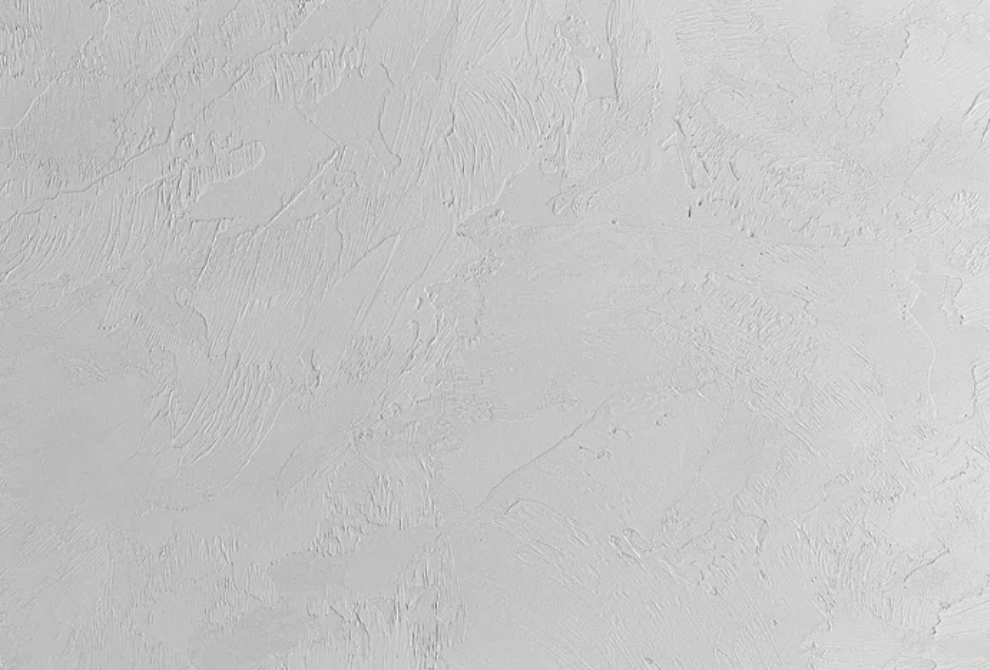
Skip trowel is a hand-applied finish where joint compound is layered across the surface in irregular passes, creating a soft, organic texture with natural variation. It adds warmth and depth to a space and can be dialed in a number of ways — from subtle and light to more pronounced — depending on the look you’re after. We create samples for clients to review and approve before any work begins, so you know exactly what you’re getting.
It’s a good fit for homes with a craftsman, Northwoods, or relaxed traditional feel, and works especially well on ceilings or accent areas where you want something a little more interesting without committing it to every surface. Because it’s hand-applied, skip trowel is custom-priced by job scope.
Knockdown
Knockdown is a heavier, more dramatic texture with larger, irregular flat patches. It’s not something we specify often in new builds today, but it’s a solid option if the look fits your vision, and it falls in a similar price range to orange peel.
A Note on Sand Texture
Sand texture — a gritty, granular finish — was widely used in construction for decades and still shows up in some homes today. We can work with it when we’re remodeling and need to match existing walls. It’s not something we typically include in new builds, but if it’s what you have or what you love, we’ll make it work.

What About Plaster?
Plaster is worth a mention of its own because it’s a different material and process entirely — not just another texture style.
If you’re drawn to a rich, layered look with real depth, plaster can be a beautiful route. It works well for both smooth and skip trowel-style finishes, and applied across all surfaces it can give a home a warmth and character that’s hard to replicate any other way. It tends to be a natural fit for clients leaning toward a more traditional, Old World, or Mediterranean aesthetic — though it’s not limited to those styles.
If plaster is on your radar, it’s worth bringing up early. It affects planning and budget in ways that are best discussed before selections are finalized.
Corners
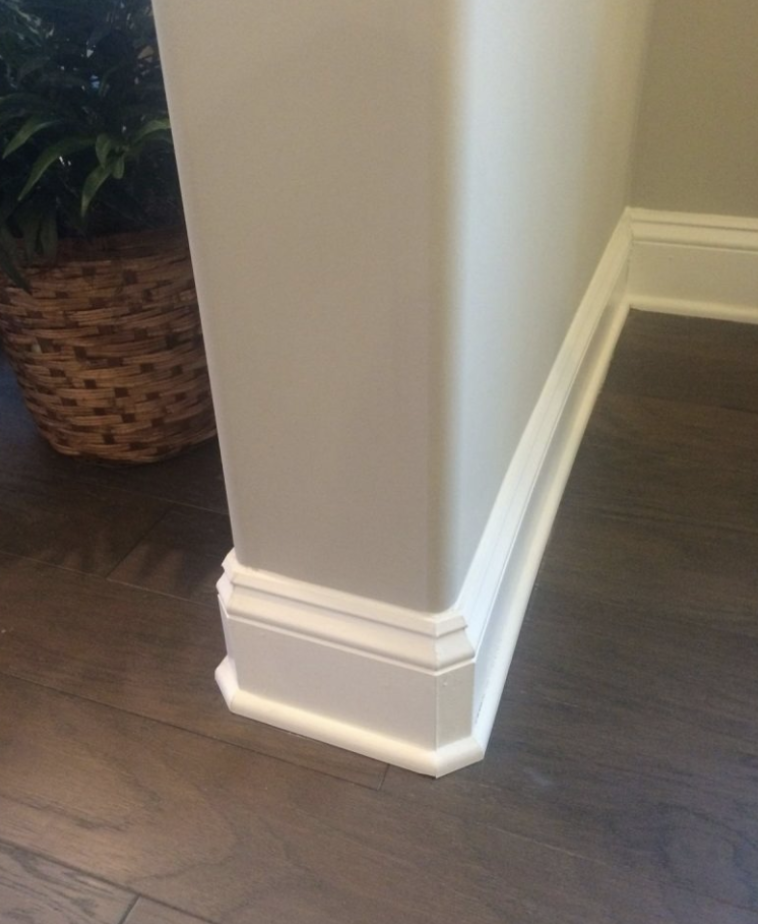
Every interior corner in your home — doorways, hallways, window openings — gets finished with corner bead. You’ll choose between two options:
Square Corners
Square corners are the standard in custom home building today. Clean, crisp, and modern — most of our clients choose this option, and it aligns well with the sharp architectural lines common in contemporary builds.
Rounded Corners
Rounded corners have a softer, gradual curve. They’re more forgiving on walls over time — less prone to nicks and dings — and can be a practical choice in high-traffic areas or homes with young kids. Some clients simply prefer the softer look.
The cost difference between the two is modest, with rounded corners running slightly more than square.

What to Expect at Your Selections Meeting
You don’t need to come in with every answer — that’s what the meeting is for. It helps to think ahead about the overall feel you’re going for, which rooms you might want to treat differently, and where you have flexibility in the budget.
We’ll walk through the options together, pull up samples where it’s helpful, and make sure the choices you land on feel right for your home and how you’ll live in it.